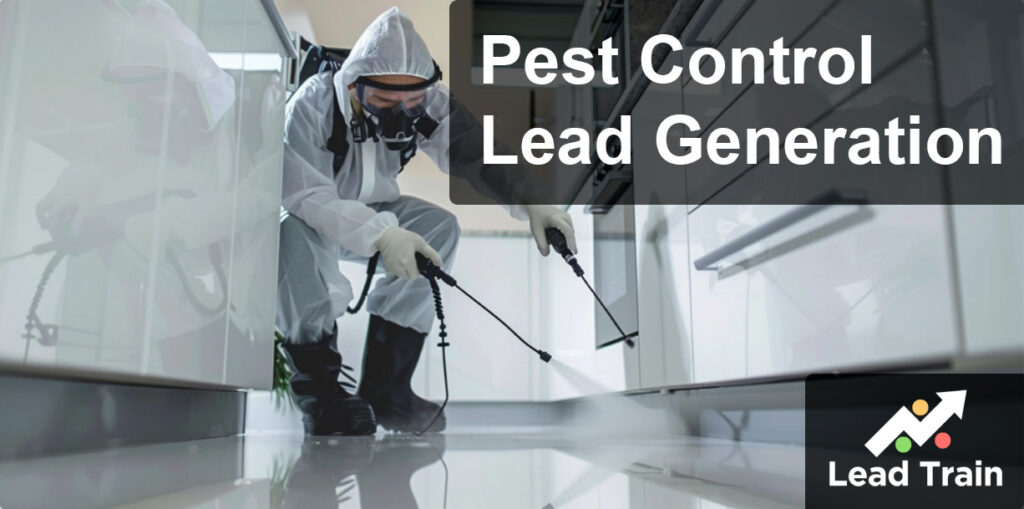
Pest Control Lead Generation
In the competitive pest control industry, generating a steady flow of high-quality leads is essential for sustained growth. Whether you’re a local exterminator or a multi-city operation, your success hinges on consistently reaching homeowners and businesses in urgent need of pest solutions. With the right strategies in place, pest control companies can tap into a reliable pipeline of new clients all year round—especially during seasonal spikes.
This page breaks down the most effective channels, costs, and tactics for pest control lead generation in today’s market. From paid ads and SEO to referral systems and local service platforms, you’ll find a detailed overview of what’s working right now to attract motivated customers. Use this data to fine-tune your marketing, increase your ROI, and book more jobs in your service area.
📈 Lead Generation Stats for Pest Control Companies
✅ Average Cost Per Lead (CPL)
| Source |
Average Cost Per Lead |
| Google Ads (Search) |
$35 – $70 per lead |
| Local SEO (Organic) |
$15 – $40 (estimated value of each organic lead) |
| Facebook Ads |
$25 – $60 per lead |
| Yelp/HomeAdvisor/Thumbtack |
$40 – $90 per lead (pay-per-lead model) |
| Direct Mail |
$0.30 – $2 per piece sent; ROI varies |
| Referral Programs |
Often <$10 per lead if incentivized properly |
🔍 Search Volume & Behavior
- “Pest control near me” gets over 300,000 monthly searches in the U.S.
- Termite control, bed bug removal, and rodent control are high-intent queries.
- 70%+ of pest control consumers search via mobile before calling.
- Most users convert after visiting just 1–2 websites in their search.
🧠 Conversion Insights
| Metric |
Typical Range |
| Website Lead Conversion Rate |
5% – 15% (higher with call tracking + live chat) |
| Phone Call Booking Rate |
60% – 80% if answered promptly |
| Google Ads Conversion Rate |
10% – 25% for well-optimized campaigns |
| Return on Ad Spend (ROAS) |
3x – 7x is common with effective Google Ads/SEO |
📊 Top Lead Sources
- Google Local Services Ads (LSAs)
“Google Guaranteed” badge boosts trust. High conversion; calls are recorded and billed per lead.
- Google Maps & SEO
“3-pack” local listings generate 40–60% of clicks for local queries. Strong reviews and GMB optimization are key.
- Pay-Per-Lead Platforms
Yelp, HomeAdvisor, Thumbtack, Angi. High volume but leads may be shared.
- PPC & Retargeting Ads
Effective for urgent pests like termites, bed bugs, rodents. Retargeting captures undecided users.
- Email Marketing/Retention
Seasonal rebooking campaigns for mosquitoes, ants, etc. Increases lifetime value (LTV).
💡 Tips for Boosting Pest Control Leads
- Use call tracking to optimize ad spend.
- Add live chat or instant quote forms to increase website conversions.
- Target seasonal campaigns (e.g. mosquitoes in summer, rodents in fall/winter).
- Focus on Google reviews (businesses with 50+ reviews often outrank others).
- Run zip-code based geo-targeted ads for precision.
General Pest Control Industry Stats
🧪 Subsectors of Pest Control in the USA
| Subsector |
Description |
| Residential Pest Control |
Servicing homes and apartments; focuses on both prevention and extermination. |
| Commercial Pest Control |
Targets restaurants, offices, warehouses, and retail spaces with stricter health compliance needs. |
| Industrial Pest Control |
Focuses on food processing plants, manufacturing facilities, etc., with high regulatory standards. |
| Agricultural Pest Control |
Protects crops, livestock, and farming infrastructure from pests. |
| Wildlife Control |
Deals with larger pests like raccoons, squirrels, birds, and snakes, often requiring humane removal. |
| Termite & Structural Pest Control |
Specialized treatment and prevention focused on wood-destroying insects. |
🐜 Top Specific Pests Targeted
| Pest Type |
Notes |
| Ants |
Most common indoor nuisance pest; includes carpenter ants that can damage wood. |
| Termites |
Major concern due to structural damage risk; often requires separate service plans. |
| Cockroaches |
Health hazard due to contamination; especially prevalent in urban and food-service settings. |
| Rodents (Mice & Rats) |
Common in both residential and commercial settings; require exclusion and trapping strategies. |
| Bed Bugs |
A resurging issue in cities; tough to eliminate and often requires heat or chemical treatments. |
| Mosquitoes |
Seasonal and regional problem; often managed with yard sprays and larvicide treatments. |
| Fleas & Ticks |
Frequently tied to pets and yards; rising concern due to Lyme disease and other health issues. |
| Wasps, Hornets & Bees |
Removal required for safety and allergy reasons; may involve nest relocation or extermination. |
| Spiders |
Generally low-risk but treated for aesthetic and peace-of-mind reasons (black widow/brown recluse are exceptions). |
| Wildlife |
Includes raccoons, squirrels, opossums, skunks, and bats—trapped or excluded. |
🛠️ Common Service Types
| Service Type |
Description |
| General Pest Control Plans |
Monthly or quarterly treatments to prevent infestations. |
| One-Time Treatments |
Targeted removal for acute infestations. |
| Integrated Pest Management (IPM) |
Eco-friendly approach combining inspection, monitoring, and minimal pesticide use. |
| Termite Inspections & Treatments |
Often required for home sales; may include bait systems or liquid barriers. |
| Bed Bug Heat Treatment |
Non-chemical high-heat service to eradicate all bed bug life stages. |
| Rodent Exclusion Services |
Sealing entry points and trapping; often bundled with sanitation. |
| Mosquito Fogging/Spraying |
Seasonal services to reduce outdoor mosquito populations. |
| Wildlife Trapping & Relocation |
Often includes attic/basement cleanup and exclusion barriers. |
📊 Growth Trends in the Industry
| Trend |
Description |
| Eco-Friendly Treatments |
Increased demand for organic, botanical, and IPM solutions. |
| Smart Traps & IoT |
Use of connected devices for monitoring pest activity in commercial settings. |
| Subscription-Based Models |
Growth in bundled quarterly/yearly plans. |
| Specialization |
More niche companies focusing only on bed bugs, rodents, or wildlife. |
| Regulatory Compliance Services |
Especially for food service and healthcare facilities. |

